Why Atlanta's climate drives the decision
Atlanta puts a specific set of stresses on a commercial roof: long, hot, humid summers that bake membranes and drive cooling load, heavy rain events that punish drainage, and periodic severe storms with wind and hail. A roof that performs in a dry climate can fail early here, so system selection starts with the local exposure.
Heat and UV are the slow killers. A reflective membrane or a cool-roof assembly directly lowers the building's cooling load through Atlanta's long summers, which is why white TPO and PVC have taken so much of the market on flat commercial buildings in the Atlanta area.
The major commercial systems at a glance
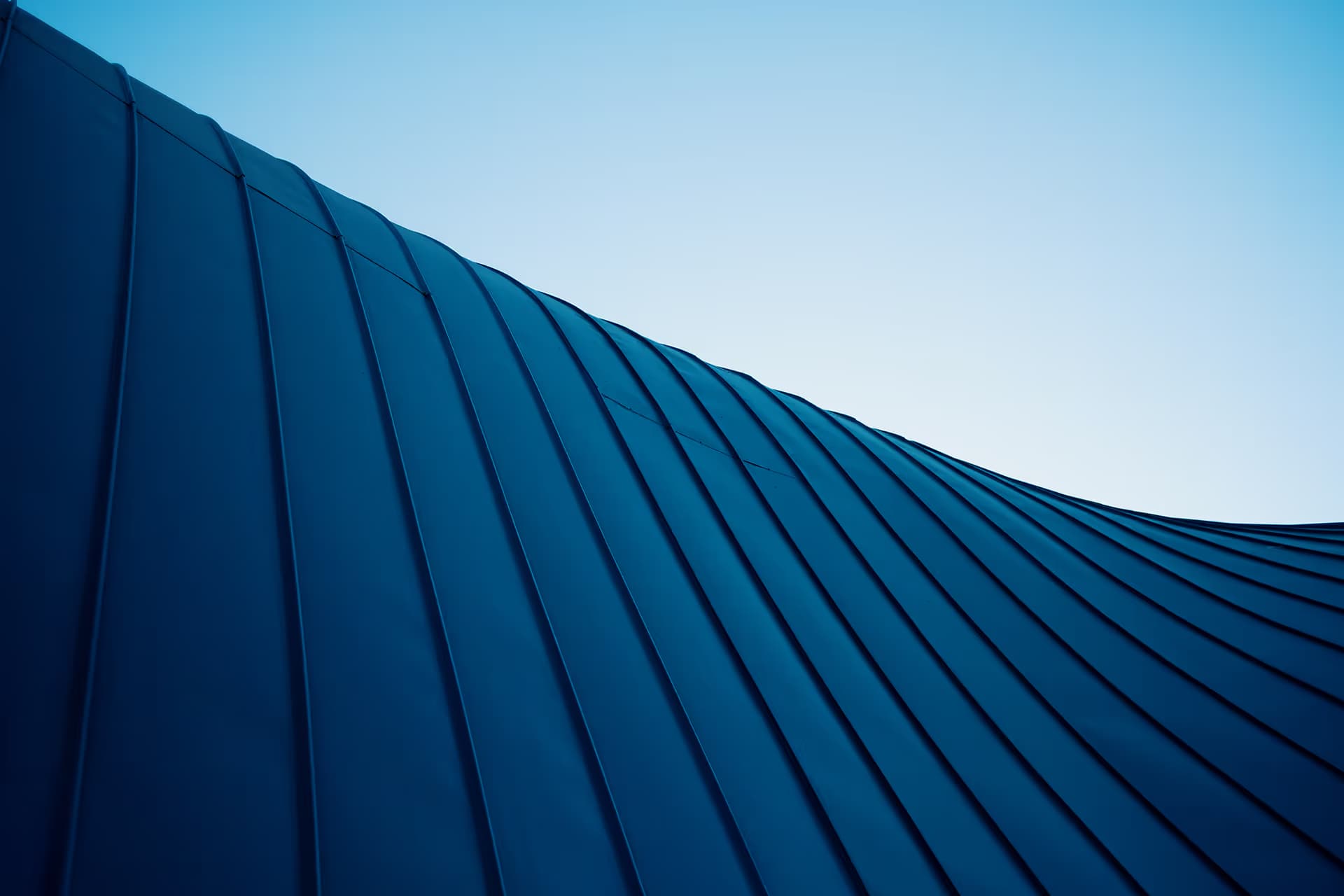
Most Atlanta commercial buildings use one of a handful of systems. TPO is the dominant single-ply — reflective, weldable, and cost-effective. EPDM (rubber) is durable and proven but dark unless coated. PVC handles chemical exposure and ponding well. Modified bitumen is a multi-ply asphalt system suited to high-traffic roofs, and standing-seam metal delivers the longest service life on the right building.
There is no universally best system — there is the best system for a given building's slope, traffic, rooftop equipment, budget, and how long the owner intends to hold the asset. Matching system to building is the core of the roofing decision.
Repair, restore, or replace
Not every aging roof needs replacement. A roof with localized failures and sound underlying insulation can often be repaired or restored with a coating or recover system, buying years at a fraction of replacement cost. A roof with widespread membrane failure, wet insulation, or chronic leaks has reached the end of that path.
The honest decision comes from a real assessment — core cuts, moisture scanning, and a look at the insulation, not just the surface. An owner who replaces a roof that could have been restored wastes capital; one who keeps patching a failed roof pays for it in interior damage and downtime.
Managing a roofing program, not just a roof
For owners with multiple buildings or a single large roof, the smart approach is a program: documented condition assessments, a maintenance schedule that catches small problems before they spread, and a capital plan that sequences replacements before failures force emergency spend.
Preventive maintenance — clearing drains, inspecting flashings and penetrations, addressing punctures — extends service life dramatically and is a fraction of the cost of the damage it prevents. A managed roof is a far cheaper roof over its life than a neglected one.
Choosing a contractor that protects the warranty
Commercial roofing warranties are only as good as the installation behind them. Manufacturer warranties require certified installers and inspected workmanship, and a detail done wrong voids the coverage exactly when you need it. The contractor's certifications and field discipline matter as much as the membrane brand.
King self-performs roofing rather than brokering it to a sub, which keeps the install quality and the warranty accountability inside one company. For Atlanta owners managing commercial roofs, that single point of responsibility is the difference between a 20-year roof and a 10-year headache.
From the field
For a commercial portfolio owner in the Atlanta market, we replaced an aging dark membrane with a reflective single-ply assembly and added insulation on a roof that was already at end of life, pairing the cool-roof upgrade with the cooling-load reduction in one mobilization. Core cuts and a moisture scan during the assessment found two areas of wet insulation that a surface-only look would have missed, so the tear-off was scoped to the actual condition rather than a guess. The work carried a manufacturer-inspected system warranty because our own certified crew self-performed the welds and flashings, and the building stayed dry and operating through the changeover.
Bottom line
Atlanta's heat, humidity, and storms make commercial roof selection a climate-driven decision, and the right move is to match system to building, assess honestly before replacing, and run a maintenance program rather than waiting for failures. King self-performs commercial roofing across Atlanta. Call 706-222-7702 or use the contact form for a roof assessment.